

Julian McBride
Download PDF
Sep 20 2025
1
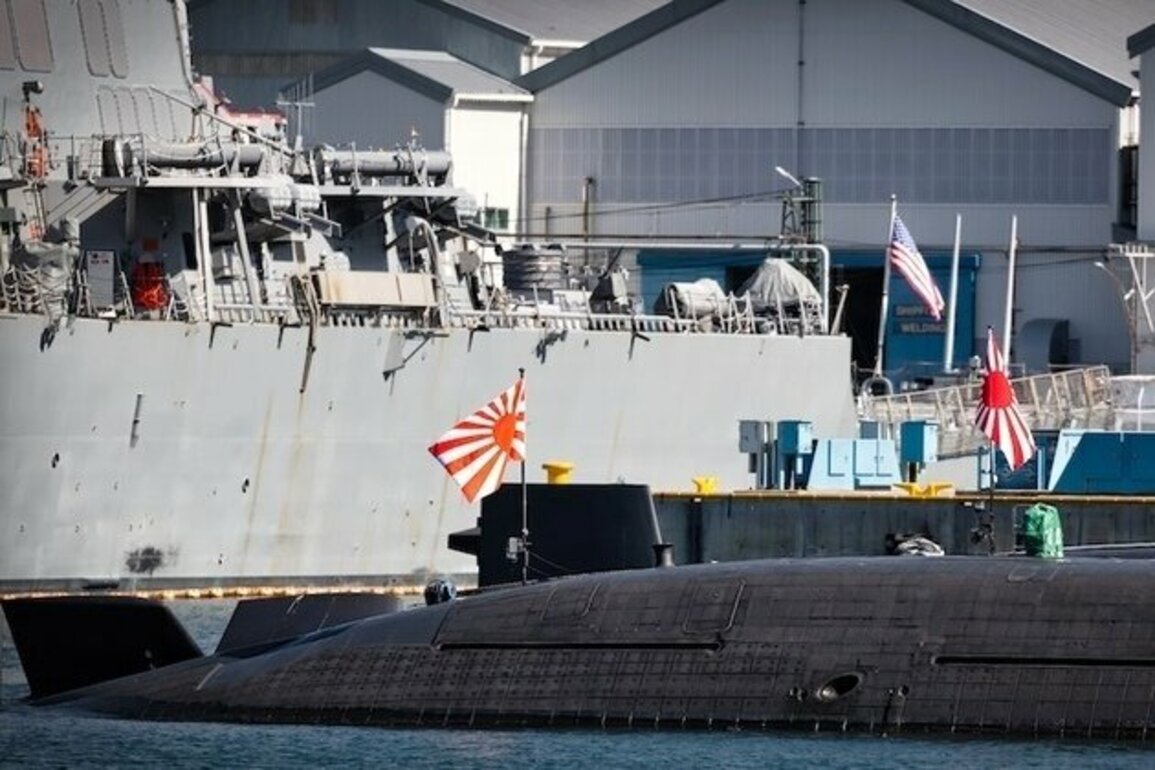
[email protected]/DepositphotosThe Indo-Pacific is currently facing rising threats not seen since the height of the Cold War, and Japan is at the forefront of tensions. Japan has a massive maritime shelf and archipelago to patrol and secure, which is becoming contested by adversaries in the region. Along the South China Sea and the Ryukyu and Kuril Islands, Tokyo faces major threats from rising ambitions in Beijing and an increasingly unpredictable Moscow, which has become more belligerent towards its neighbors. The Japanese Maritime Self-Defense Forces (JMSDF) are increasingly being tested on their red lines and deterrence threshold in key flashpoints, such as the East and South China Seas. To counter these threats, Japan will need to reassess its maritime security and diversify and expand its contingency planning in the increasingly tense Indo-Pacific region.
The Senkaku Islands, which are part of the Ryukyu Islands, are crucial to Japans security and history. While both Taiwan and China alsolay claimsto the Senkaku Islands, Beijing is actively trying to gain a foothold over them in theEast China Sea. For the past 130 years, the Senkaku Islands have beenadministered or patrolleddirectly by Japan, as the islands were annexed in the aftermath of the First Sino-Japanese War and the subsequent Treaty of Shimonoseki. The Qing Dynasty and Kuomintang would subsequently ignore the Tokyo-led administration over the islands.
After the unconditional surrender of Imperial Japan, America would administer the islands until 1972, around the same time China began laying claims to the Senkaku Islands due to theirstrategic location and potential gas reserves. Furthermore, Beijing became emboldened as the U.S. government recognized the Peoples Republic of China as the legitimate government of China, rather than the government of Taiwan. During Tokyosgridlockover expanding militarization and the U.S.-ledperpetual warsin Afghanistan and Iraq, China built up its navy, the PLAN, and started flexing its muscles around the Senkaku Islands. In 2013, Beijing and Tokyonearly intertwinedinto armed naval clashes with reports of Chinese maritime PLAN warships locking onto a Japanese destroyer, with Japan declaring that if militarized drones entered their Economic Exclusive Zone, it would be considered a drastic escalation.
Several collisions have taken place around the islands involving not just China, but also Taiwan, with both countries engaging in tit for tat boat incidents against Japan, which further strained relations between all three nations. Despite the claims, Taipei has become wary of Xi Jinpings government, which prioritizes unification, either peacefully or by force, against Taiwan. Due to the threats, relations between Tokyo and Taipei haveimproved, which has mitigated some of the trilateral tensions.
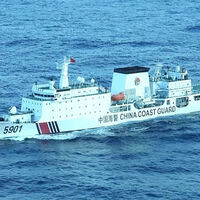
TheSouth China Seais becoming a powder keg not only for the Indo-Pacific but for the entire world. Along the South China Sea are major maritime trade routes and an estimated 190 trillion cubic feet of natural gas. Due to the energy resources and potential to control the tempo of shipping lanes, Beijing is maneuvering the PLAN to establish aconcrete footholdin the South China Sea. Numerous incidents have taken place in the South China Sea, which has seen the PLAN and Chinese Coast Guard involved inramming fishing and naval vesselsbelonging to Vietnam and the Philippines, the latter of which holds major defense pacts with the United States.
Militarization in the South China Sea, which leads to disruptions in trade, is a key concern for Tokyo, as theJapanese economy is closely intertwinedwith the Luzon Strait. To counter Chinese naval aggression, Japan finalized the aforementioned defense pact, known as theReciprocal Access Agreement (RAA), with the Philippines, which will take effect in September 2025. In the RAA, both Tokyo and Manila will allow access to each others forces on their territorial waters and strengthen military exercises. This reveals the truth between the two nations, as Japan is now the third country the Philippines has granted this access to, following the United States and Australia.
TheKuril Islands, historically under Japanese rule, have been traded between Japan and Russia on several occasions. The Russian Empire annexed the islands in1855, but they were returned to Japanese hands in the aftermath of the1905 war. The Soviet Union, a successor to the Russian Empire,capturedthe islands in 1945. Although then-President FDR agreed that the USSR should control the northern archipelago, the official U.S. government position differed. Instead, the Soviet possession of the Kuril Islands was meant to be used for negotiations with Tokyo.
Though Japan was forced to cede the islands during the 1951San Francisco Treaty, the documents did not recognize full Soviet sovereignty over them. Still, the Russian Federation, one of the successors of the USSR, would continue to occupy the islands to this day. Lacking a formal treaty, the Kuril Islands dispute remains ade facto continuation of World War II, as the status was not settled through a peace treaty. Instead, Russia has militarized the islands in a show of force towards Japan. Russia hasdeployedvarious anti-air and anti-ship missiles with a range covering the maritime space of the Kurils. Furthermore, not only did Russiawithdraw from negotiationsand the fragile peace treaty, but Moscow alsoendedthe longstanding visa-free program that allowed former Japanese residents of the Northern Territories to visit.
Tokyos regional threats are existential but can be managed through diplomatic measures, implementing stronger deterrence, strengthening alliances, and hotlines. Regarding the ongoing disputes over the Senkaku Islands, Japan, under international law, has anEconomic Exclusion Zone (EEZ)around the islets, which Tokyo can use to continue asserting its sovereignty. Growing relations with Taipei can mitigate incidents, while Tokyo has a partner, it can help counter Beijing within the East China Sea and potentially the Strait of Taiwan.
Becoming more involved insafeguarding maritime shipping lanes, such as the Luzon Strait, which are crucial to the Japanese economy, will need to be at the forefront of Tokyos regional soft power. Furthermore, the defense pact with the Philippines, along with lobbying for more joint patrols with Western partners in the South China Sea, can help mitigate PLANs assertive maneuvers. Regarding the Kuril Islands, Tokyo should designate a hotline with Moscow to promote back channels in case tensions continue to escalate. With Russias confrontational approach, Japan is becoming increasingly entangled in supporting Ukraines defense and territorial sovereignty,sharingsatellite data, aid, andsecurity guaranteeswhenever the war ends.
The United States alsosupportsJapans stance on the Northern Territories, which is similar to its position on the Senkaku Islands conflict. With Russias influence, soft power, and force projection capabilities waning, both Tokyo and Washington can apply further diplomatic pressure on Moscow to end the escalation over the Kuril Islands.
The Indo-Pacific is becoming a flashpoint that requires regional powers, such as Japan, to step up amid regional tensions near the Kuril Islands and the East and South China Seas. Tokyos increasing militarization, improved regional partnerships, and diplomatic measures will be paramount in mitigating tensions, and further focus should be on enforcing channels and hotlines to prevent potential conflicts.
Further Reading on E-International Relations
- New Book Asian Territorial and Maritime Disputes: A Critical Introduction
- Opinion The Impact of an Indecisive America on the Indo-Pacific
- Opinion With the Rise of the Indo-Pacific, Has the Asia-Pacific Faded Away?
- Opinion Emerging Patterns of Trade in the Indo-Pacific
- Opinion The Coming of Age of the European Unions Indo-Pacific Strategy
- Opinion A Weakened Quad?
About The Author(s)
Julian McBrideis a defense analyst and 19FortyFive contributing editor.
TagsIndo-PacificJapan